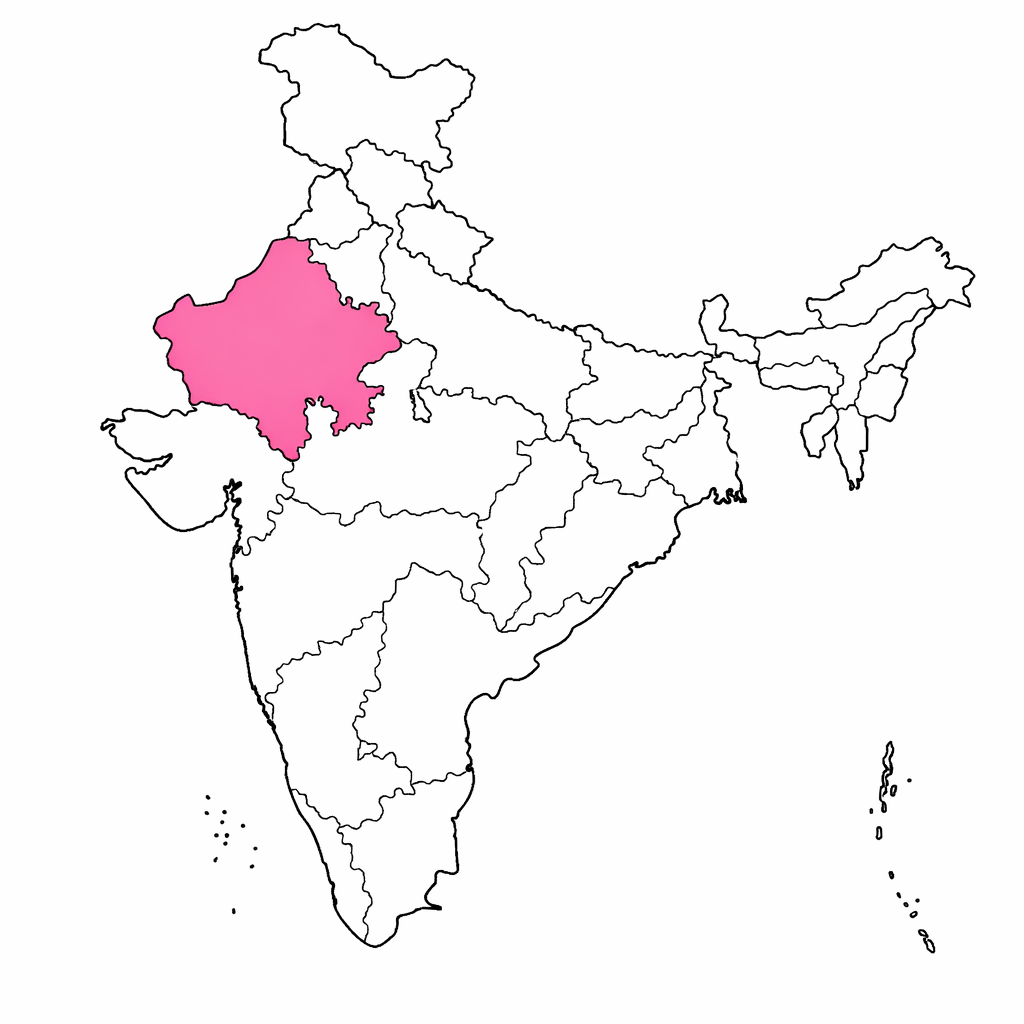
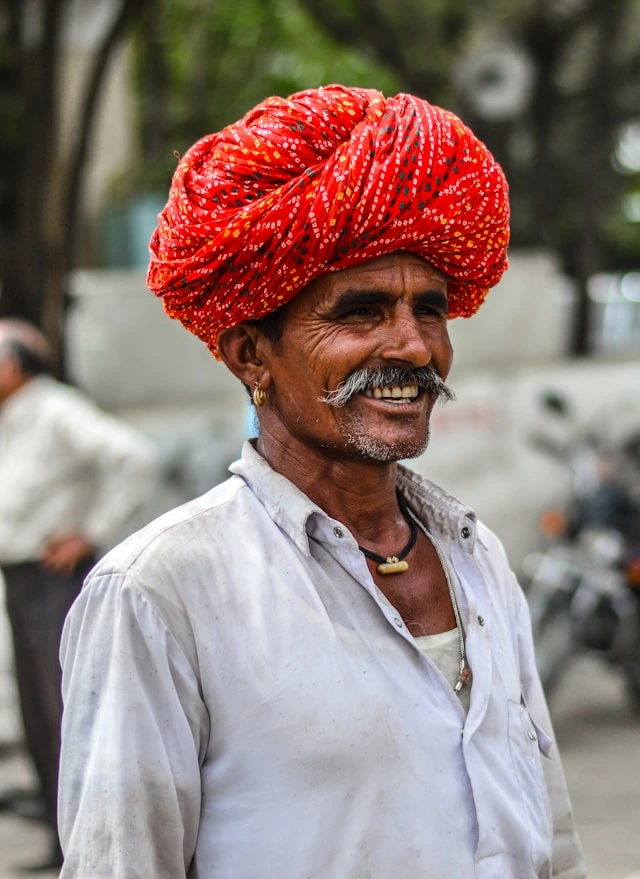
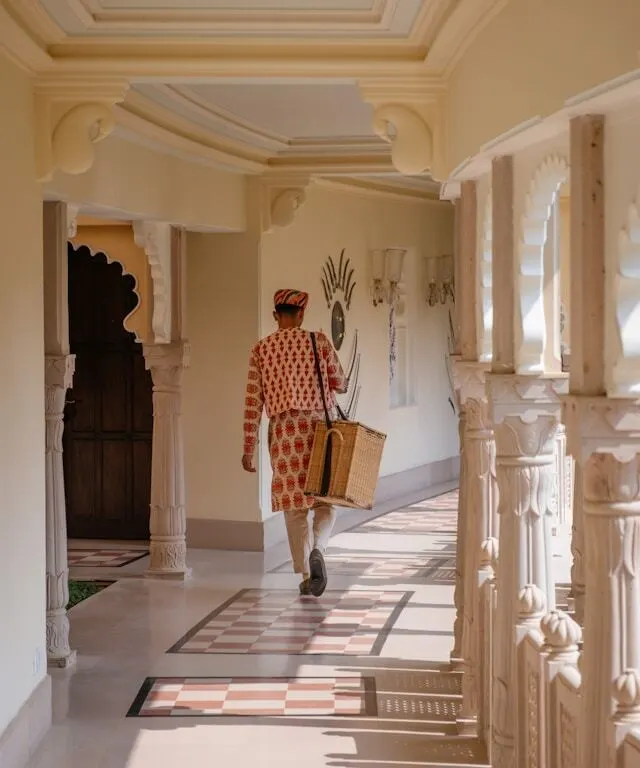
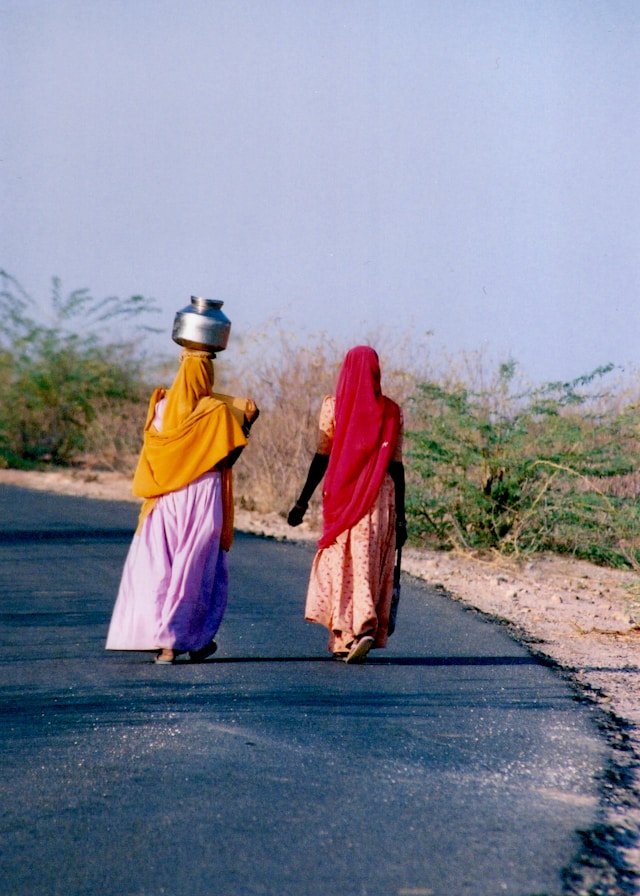
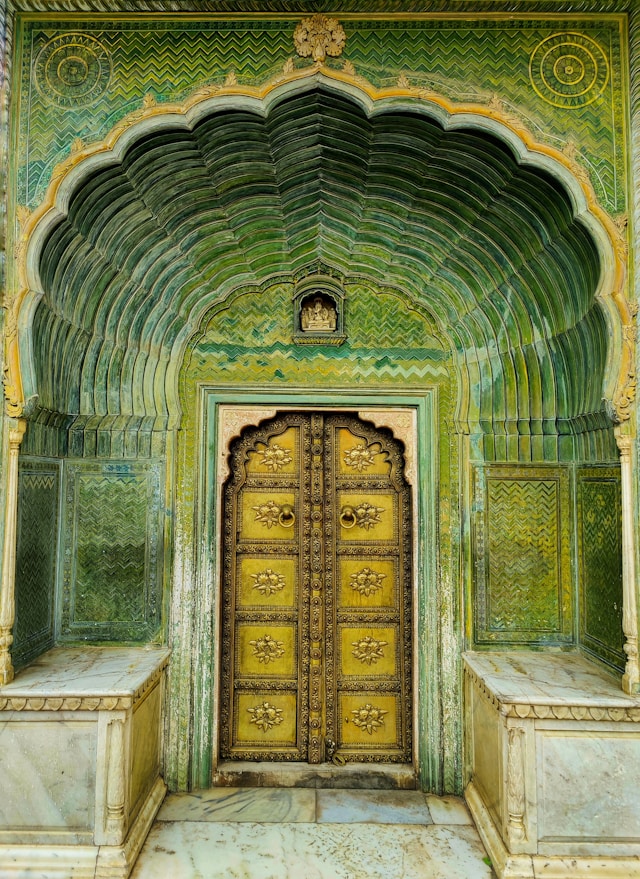
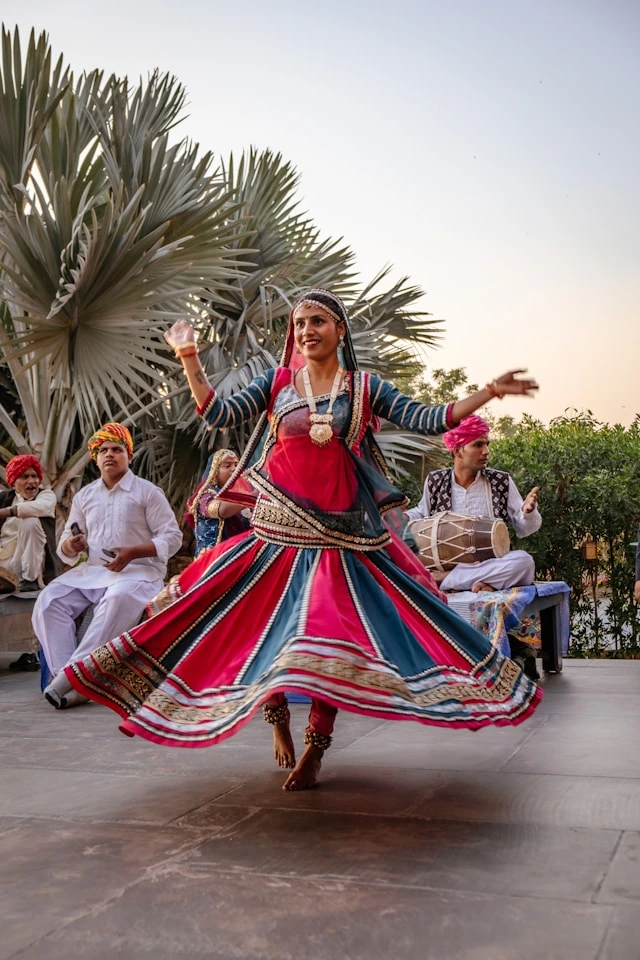
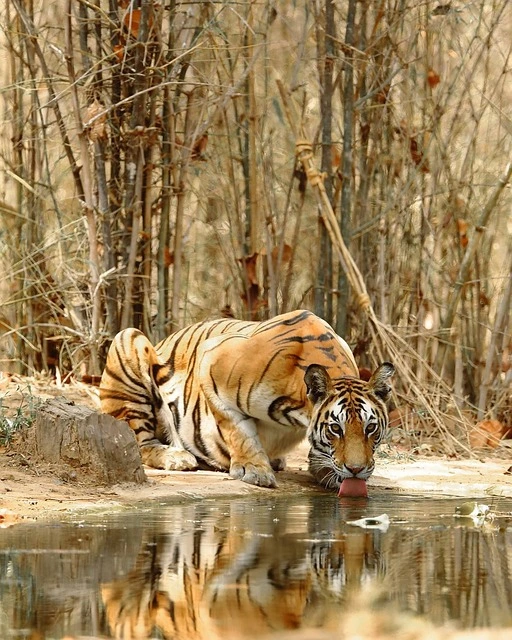
Rajasthan, situated in north-west India, stands among the country’s most compelling cultural destinations. Often referred to as the “Land of the Maharajas,” the state presents a diverse and well-balanced portfolio of experiences suited to all generations — from majestic forts and opulent palaces to sweeping desert landscapes, vibrant historic cities shaped by centuries of royal legacy, and renowned wildlife sanctuaries offering opportunities to encounter India’s rich biodiversity.
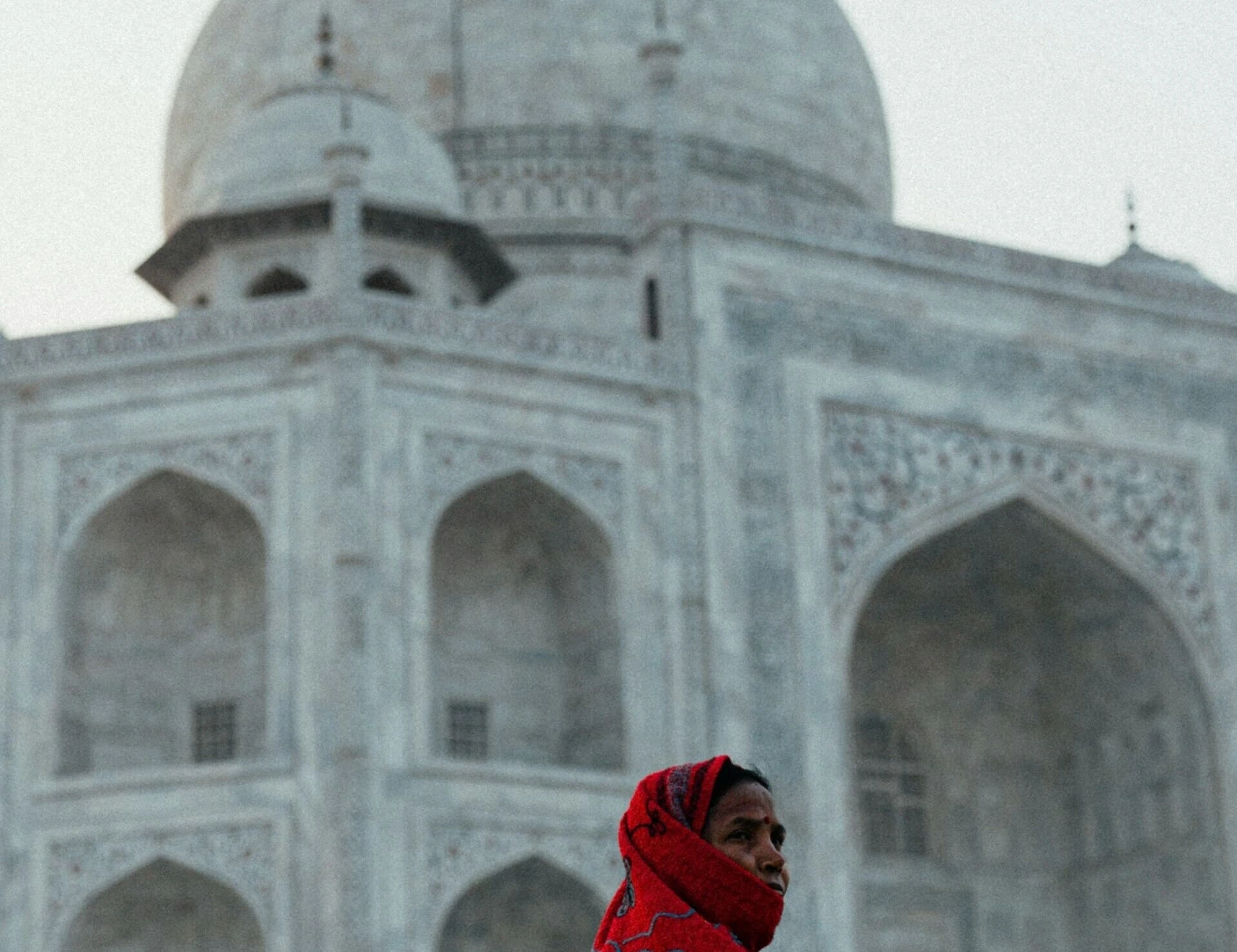
For international tour operators and travel professionals seeking a high-value, sellable product that combines architectural grandeur with a visit to the iconic Taj Mahal, Rajasthan remains a strategic choice. The destination allows seamless integration into Golden Triangle Tour programs and extended North India circuits, while offering strong experiential depth, diverse accommodation categories, and year-round thematic positioning (heritage, luxury, culture, soft adventure etc). Below are some recommended tours types that we can do in Rajasthan.